تحظى سيارات الـSUV بشعبية كبيرة في دبي، فهي توفر مساحة واسعة، وراحة جيدة، وحضوراً قوياً على الطريق، إلى جانب مرونة تناسب الاستخدام اليومي والرحلات الطويلة. لكن السيارة التي تبدو مميزة داخل صالة العرض قد لا تكون بالضرورة سهلة ومريحة أثناء التنقل اليومي في شوارع المدينة المزدحمة.
تتطلب القيادة في دبي التعامل مع الازدحام المروري، وتغيير المسارات المتكرر، والدوارات المزدحمة، ومداخل المواقف الضيقة، والطرق السريعة ذات الحركة النشطة. لذلك، لا يعتمد اختيار سيارة SUV المناسبة فقط على قوة المحرك أو التصميم الخارجي أو حجم المقصورة، بل يشمل أيضاً مدى سهولة التحكم بالسيارة في المواقف اليومية.
يجب أن تمنحك سيارة الـSUV سهلة القيادة إحساساً بالثقة والهدوء والتحكم، سواء كنت تقود على شارع الشيخ زايد، أو تتنقل في وسط مدينة دبي، أو تدخل موقفاً مزدحماً في أحد مراكز التسوق.
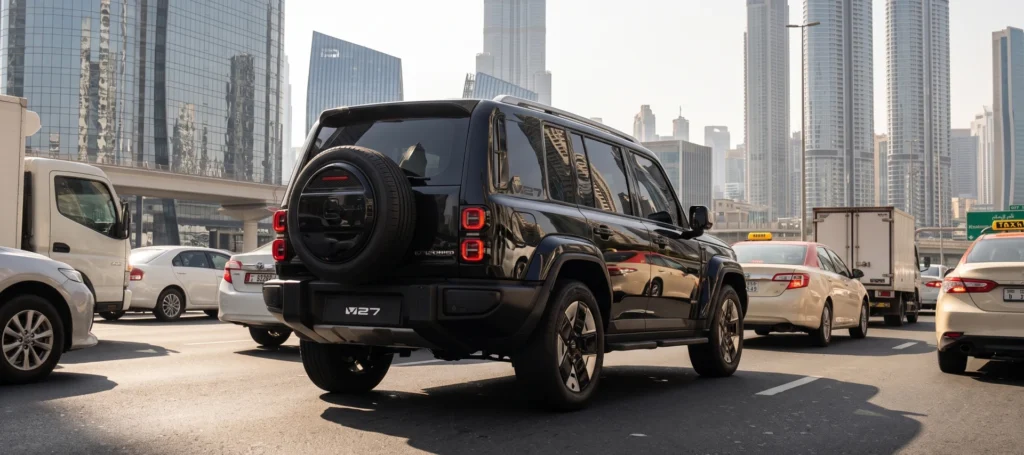
رؤية واضحة للطريق والمركبات المحيطة
من أهم مزايا سيارات الـSUV وضعية الجلوس المرتفعة، التي تمنح السائق رؤية أفضل لحركة المرور وتساعده على ملاحظة تباطؤ السيارات أو تغير المسارات أو العوائق على الطريق بشكل مبكر.
لكن ارتفاع المقعد وحده لا يضمن رؤية جيدة. فتصميم الزجاج الأمامي، والأعمدة الجانبية، والمرايا، والنوافذ الخلفية يلعب دوراً كبيراً في سهولة القيادة.
قد تتسبب الأعمدة الأمامية العريضة في تكوين نقاط عمياء عند الانعطاف أو الاقتراب من معبر للمشاة. كما يمكن للزجاج الخلفي الصغير أن يجعل الرجوع إلى الخلف أكثر صعوبة، بينما تقلل المرايا الصغيرة أو سيئة الوضع من الثقة أثناء تغيير المسار.
يُفضّل أن توفر سيارة الـSUV المناسبة للقيادة في دبي:
- مجال رؤية أمامياً واسعاً وواضحاً
- مرايا جانبية كبيرة ومثبتة في موقع مناسب
- رؤية جيدة عبر الزجاج الخلفي
- أقل قدر ممكن من النقاط العمياء
- مقعد قيادة يمكن ضبطه بسهولة
تساعد الرؤية الجيدة على جعل السيارة تبدو أصغر وأسهل في التحكم، حتى عندما تكون أبعادها الخارجية كبيرة نسبياً.
مقود خفيف واستجابة متوقعة
قد يصبح المقود الثقيل مرهقاً أثناء القيادة في الازدحام، خصوصاً مع كثرة الانعطافات والمناورات داخل المواقف. وفي المقابل، قد يجعل المقود الخفيف بشكل مبالغ فيه السيارة أقل ثباتاً على السرعات العالية.
السيارة المناسبة للاستخدام في دبي يجب أن توفر توجيهاً خفيفاً عند السرعات المنخفضة، مع إحساس أكثر ثباتاً وتحكماً على الطرق السريعة.
هذا التوازن مهم لأن الرحلة الواحدة قد تبدأ من موقف سفلي ضيق، ثم تمر عبر شوارع المدينة، وتنتهي على طريق سريع.
يساعد المقود المتوازن السائق على الحفاظ على موقع السيارة داخل المسار، ويقلل من الجهد المطلوب عند تغيير الاتجاه أو التعامل مع الزحام.
دائرة دوران مناسبة
غالباً ما يتم تجاهل دائرة دوران السيارة عند الشراء، رغم أنها تؤثر بشكل مباشر في سهولة الاستخدام اليومي.
قد تحتاج سيارة SUV كبيرة ذات دائرة دوران واسعة إلى عدة محاولات لإكمال دوران كامل أو الدخول إلى موقف ضيق. أما السيارة التي تتمتع بدائرة دوران أفضل، فتستطيع تغيير الاتجاه ضمن مساحة أقل.
تظهر أهمية ذلك عند القيادة في:
- مواقف السيارات تحت الأرض
- المناطق السكنية الضيقة
- المناطق المحيطة بالمدارس
- مواقف المتاجر الصغيرة
- الطرق الخدمية المزدحمة
أثناء تجربة القيادة، حاول تنفيذ دوران كامل واختبار السيارة داخل موقف ضيق. سيمنحك ذلك فكرة أوضح عن مدى سهولة استخدامها يومياً.
تسارع سلس في الازدحام
قد تكون قوة التسارع مهمة عند الدخول إلى الطريق السريع، لكن السلاسة في توصيل القوة أهم أثناء القيادة في الازدحام.
يجب أن تستجيب السيارة للضغط على دواسة الوقود بشكل تدريجي ومتوقع. فالتسارع المفاجئ أو الحاد قد يجعل التحكم بالسيارة أكثر صعوبة عند التحرك البطيء بين المركبات.
غالباً ما توفر السيارات الكهربائية وسيارات المدى الممتد REEV استجابة أكثر سلاسة، لأن المحرك الكهربائي يقدم القوة دون التغييرات المتكررة في ناقل الحركة التي قد تحدث في بعض السيارات التقليدية.
مع ذلك، يجب ألا تكون دواسة الوقود شديدة الحساسية، حتى يتمكن السائق من التحرك بسلاسة دون اندفاع مفاجئ.
يساعد التسارع المتوازن في دبي على:
- الحفاظ على مسافة آمنة من السيارة الأمامية
- التحرك التدريجي داخل الطوابير
- الدخول إلى الدوارات بثقة
- تغيير المسارات بسلاسة
- تقليل التسارع والكبح المفاجئ
كلما كانت استجابة السيارة أكثر هدوءاً، أصبحت الرحلة أقل إرهاقاً للسائق والركاب.
مكابح تدريجية ومريحة
سهولة قيادة السيارة لا تعتمد فقط على طريقة تسارعها، بل أيضاً على مدى سلاسة توقفها.
المكابح شديدة الحساسية قد تجعل الركاب يندفعون إلى الأمام مع كل توقف بسيط، بينما قد تقلل المكابح البطيئة أو غير الواضحة من ثقة السائق.
يُفضّل أن تكون استجابة المكابح تدريجية. الضغط الخفيف يجب أن يؤدي إلى تباطؤ مريح، بينما يوفر الضغط الأقوى توقفاً سريعاً وواثقاً.
هذا الأمر مهم في دبي، حيث قد تتباطأ حركة المرور بشكل مفاجئ بالقرب من المخارج أو مناطق أعمال الطرق أو التقاطعات.
تستخدم بعض سيارات REEV والسيارات الكهربائية نظام الكبح المتجدد، الذي يساعد على إبطاء السيارة واستعادة جزء من الطاقة. وتكون الأنظمة الأفضل هي التي تمنح السائق إمكانية اختيار مستوى الكبح المتجدد وفقاً لأسلوبه في القيادة.
أنظمة مساعدة السائق التي تقلل التوتر
يمكن لأنظمة مساعدة السائق الحديثة أن تجعل السيارة أسهل في الاستخدام، خاصة في الطرق المزدحمة أو السريعة.
يساعد نظام مراقبة النقطة العمياء في تنبيه السائق عند وجود مركبة بجانب السيارة. كما يمكن لنظام المساعدة على تغيير المسار توفير دعم إضافي عند الانتقال بين المسارات.
أما نظام التنبيه من حركة المرور الخلفية، فيكون مفيداً عند الرجوع من موقف إلى طريق مزدحم.
يمكن لنظام تثبيت السرعة المتكيف أيضاً أن يقلل من التعب على الطرق السريعة، من خلال الحفاظ على مسافة مناسبة من المركبة الأمامية. وفي الازدحام، تستطيع بعض الأنظمة إبطاء السيارة وتسريعها تدريجياً.
من أبرز الأنظمة المفيدة:
- مراقبة النقطة العمياء
- التحذير من مغادرة المسار
- المساعدة على البقاء داخل المسار
- مثبت السرعة المتكيف
- التحذير من الاصطدام الأمامي
- الكبح التلقائي في حالات الطوارئ
- التنبيه من حركة المرور الخلفية
- التحذير عند فتح الأبواب
يجب أن تدعم هذه الأنظمة السائق دون أن تسبب له الإزعاج. لذلك، ينبغي أن تكون التنبيهات واضحة ومناسبة وغير مبالغ فيها.
كاميرات ومجسات تسهّل ركن السيارة
قد يكون ركن سيارة SUV كبيرة أحد أكثر تحديات الاستخدام اليومي، خصوصاً في مواقف مراكز التسوق والمباني السكنية والفنادق والمكاتب.
قد تحتوي هذه المواقف على أعمدة خرسانية، ومساحات ضيقة، ومنحدرات حادة، أو حواف يصعب رؤيتها.
توفر كاميرا الرجوع إلى الخلف رؤية أفضل للمنطقة خلف السيارة، بينما تساعد المجسات الأمامية والخلفية في تقدير المسافة عن العوائق.
تُعد كاميرا الرؤية المحيطية بزاوية 360 درجة أكثر فائدة، لأنها تعرض صورة شاملة للسيارة والمنطقة المحيطة بها. ويمكن للسائق من خلالها رؤية خطوط الموقف، والأرصفة، والمركبات المجاورة، والعوائق التي لا تظهر من خلال النوافذ.
توفر بعض الأنظمة أيضاً زاوية رؤية للعجلات الأمامية أو جانبي السيارة، وهو ما يساعد عند الاقتراب من الرصيف أو المرور في مساحة ضيقة.
وضعية قيادة مريحة
قد تحتوي السيارة على أحدث التقنيات، لكنها ستظل صعبة القيادة إذا لم يتمكن السائق من إيجاد وضعية جلوس مريحة.
يجب أن يكون المقعد، والمقود، والمرايا، والدواسات سهلة الضبط. كما ينبغي أن يستطيع السائق الوصول إلى جميع أدوات التحكم دون إجهاد، مع الحفاظ على رؤية واضحة للطريق.
تقلل وضعية الجلوس المناسبة من التعب أثناء الانتظار لفترات طويلة في الازدحام، كما تمنح السائق تحكماً أفضل في السيارة.
من الخصائص المفيدة:
- إمكانية تعديل ارتفاع المقعد
- ضبط كهربائي للمقاعد
- دعم أسفل الظهر
- تعديل ارتفاع وامتداد المقود
- شاشة عدادات واضحة
- أدوات تحكم سهلة الوصول
من المهم أيضاً التأكد من أن تصميم الكونسول الوسطي أو الأبواب لا يحد من حركة الركبة أو الذراع.
أدوات تحكم بسيطة وسهلة الاستخدام
لا ينبغي أن يضطر السائق إلى التنقل بين عدة قوائم إلكترونية للوصول إلى وظيفة أساسية.
يجب تنظيم التحكم في التكييف، وأنماط القيادة، والكاميرات، ونظام الترفيه وإعدادات السيارة بطريقة واضحة.
الشاشة الكبيرة قد تكون مفيدة، لكن حجمها ليس العامل الوحيد. سرعة استجابة الشاشة، وترتيب القوائم، ووضوح الرموز، وموقع الشاشة كلها عوامل أكثر أهمية.
وجود أزرار فعلية أو اختصارات للوظائف المتكررة قد يجعل القيادة أسهل، خاصة عند ضبط درجة الحرارة أو تشغيل الكاميرات.
كما يمكن لأنظمة الأوامر الصوتية أن تكون مفيدة عندما تستجيب بدقة وتسمح للسائق بتنفيذ بعض المهام دون لمس الشاشة.
نظام تكييف فعّال
قد تتطلب القيادة في دبي البقاء لفترات طويلة داخل الازدحام، خاصة خلال ساعات الذروة. لذلك، يلعب نظام التكييف دوراً أساسياً في راحة السائق والركاب.
يجب أن يتمكن النظام من تبريد المقصورة بسرعة وتوزيع الهواء بكفاءة. وتُعد فتحات التكييف الخلفية مهمة جداً في سيارات الـSUV الأكبر حجماً، لأنها تساعد على الحفاظ على راحة ركاب الصف الثاني.
يمكن أن تضيف المقاعد المهوّاة مستوى إضافياً من الراحة خلال الصيف، خصوصاً بعد ركن السيارة تحت أشعة الشمس.
أثناء تجربة القيادة، اختبر سرعة تبريد المقصورة ومدى فعالية الهواء، وتأكد من أن صوت المروحة لا يصبح مزعجاً عند تشغيلها على مستوى مرتفع.
نظام تعليق مريح للمدينة
قد تكون بعض سيارات الـSUV مصممة بأسلوب مغامر، مع نظام تعليق أكثر صلابة وعجلات كبيرة وإطارات مناسبة للطرق الوعرة. ورغم أن هذه المواصفات تعزز القدرة والشكل الخارجي، فإنها قد تؤثر في راحة القيادة اليومية.
تتميز طرق دبي بجودة جيدة بشكل عام، لكن السائق لا يزال يواجه مطبات السرعة، ومداخل المواقف، وفواصل الطرق، وأعمال الصيانة، وبعض الأسطح غير المستوية.
يجب أن يمتص نظام التعليق هذه الظروف دون أن يجعل السيارة متأرجحة أو قاسية.
قد تؤدي حركة الهيكل الزائدة إلى تقليل الثقة أثناء تغيير المسار، بينما قد يصبح التعليق القاسي متعباً في الاستخدام اليومي.
السيارة المتوازنة يجب أن تكون مريحة داخل المدينة وثابتة على الطرق السريعة.
أبعاد مناسبة دون التضحية بالعملية
يرغب كثير من السائقين في الحصول على شكل ومساحة سيارة SUV دون مواجهة صعوبة قيادة سيارة كبيرة جداً.
قد توفر سيارات الـSUV المدمجة أو المتوسطة مساحة كافية للركاب والأمتعة، مع بقائها أسهل في الركن والمناورة داخل المدينة.
يُفضّل أن يكون تصميم السيارة عملياً، بحيث تستفيد المقصورة من الأبعاد الخارجية دون إضافة طول أو عرض غير ضروري.
لا تعتمد فقط على الأرقام الموجودة في المواصفات. فقد تبدو سيارتان متقاربتين في الطول والعرض، لكنهما تمنحان إحساساً مختلفاً تماماً أثناء القيادة بسبب اختلاف الرؤية والمقود والكاميرات وتصميم الهيكل.
هدوء المقصورة يقلل إرهاق القيادة
يمكن لأصوات الطريق والمحرك والاهتزازات وتغييرات ناقل الحركة المتكررة أن تجعل الرحلة أكثر توتراً.
توفر المقصورة المعزولة جيداً بيئة أكثر هدوءاً، مما يساعد السائق على التركيز ويمنح الركاب فرصة للتحدث براحة أكبر.
تتميز السيارات الكهربائية وسيارات REEV عادة بقيادة أكثر هدوءاً عند السرعات المنخفضة، لأنها تعتمد على المحرك الكهربائي في كثير من ظروف القيادة داخل المدينة.
تعتمد جودة العزل على تصميم الأبواب، والزجاج، والإطارات، والمواد العازلة المستخدمة في المقصورة.
أهمية تجربة السيارة في ظروف قيادة حقيقية
قد لا تكون جولة قصيرة حول صالة العرض كافية لمعرفة ما إذا كانت السيارة سهلة القيادة فعلاً في دبي.
يُفضّل أن تشمل تجربة القيادة عدة مواقف، مثل:
- حركة مرور بطيئة
- جزء من طريق سريع
- دوار أو تقاطع
- دوران كامل
- شارع ضيق
- ركن السيارة والرجوع إلى الخلف
- المرور فوق مطب
- دخول موقف أو منحدر
انتبه إلى السرعة التي تشعر فيها بالراحة داخل السيارة. عادة ما تبدو السيارة سهلة القيادة ومتوقعة الاستجابة خلال الدقائق الأولى.
يجب أن تتمكن من تقدير موقع زوايا السيارة، ومعرفة مقدار حركة المقود المطلوبة، وفهم استجابة دواسات الوقود والمكابح بسهولة.
ما أسهل نوع من سيارات SUV للقيادة في دبي؟
لا توجد سيارة واحدة تناسب جميع السائقين.
قد يفضل السائق الجديد سيارة SUV مدمجة بمقود خفيف وكاميرات شاملة. وقد تحتاج العائلة إلى مساحة أكبر، وفتحات تكييف خلفية، ونظام تعليق مريح. أما من يقود يومياً على الطرق السريعة، فقد يهتم أكثر بمثبت السرعة المتكيف، وهدوء المقصورة، وثبات السيارة.
بالنسبة إلى كثير من السائقين في دبي، تجمع سيارة الـSUV سهلة القيادة بين:
- وضعية جلوس مرتفعة ورؤية واضحة
- تسارع سلس
- مقود خفيف عند السرعات المنخفضة
- دائرة دوران مناسبة
- كاميرات ومجسات ركن فعّالة
- أنظمة أمان ومساعدة ذكية
- تكييف قوي
- نظام تعليق مريح
- أدوات تحكم سهلة الاستخدام
الهدف ليس اختيار أصغر سيارة أو السيارة التي تحتوي على أكبر عدد من التقنيات، بل اختيار سيارة تعمل فيها الرؤية والأبعاد والأداء والتقنيات بشكل متكامل وطبيعي.
الخلاصة
يمكن لسيارة SUV سهلة القيادة أن تجعل التنقل اليومي في دبي أكثر راحة وأقل إرهاقاً.
يجب أن تساعد السيارة المناسبة على تقليل الجهد في الازدحام، وتسهيل تغيير المسارات، وتبسيط عملية الركن، والحفاظ على راحة السائق والركاب خلال الرحلات الطويلة.
تساهم خصائص مثل وضعية الجلوس المرتفعة، والأداء الكهربائي السلس، وكاميرات الرؤية المحيطية، ومجسات الركن، وأنظمة مساعدة السائق، والمقود المتجاوب في توفير تجربة قيادة أكثر هدوءاً وثقة.
قبل شراء سيارتك القادمة، احجز تجربة قيادة واختبر السيارة في ظروف تشبه استخدامك اليومي. جرّب أدوات التحكم، وتحقق من الرؤية، واختبر دائرة الدوران، وحاول ركن السيارة بنفسك.
أفضل سيارة SUV ليست فقط السيارة التي تبدو قوية وقادرة، بل السيارة التي تشعر معها بالراحة والثقة في كل مرة تقودها.
يمكن للسائقين الباحثين عن سيارة SUV حديثة ومناسبة للمغامرات استكشاف أحدث طرازات iCAUR في دبي وحجز تجربة قيادة للتعرف على تقنيات الرؤية والراحة وأنظمة المساعدة وأداء REEV على أرض الواقع.